How to Stop Ice Dams Before Winter Hits: An Attic Insulation & Ventilation Checklist for Flagstaff and Williams Homeowners
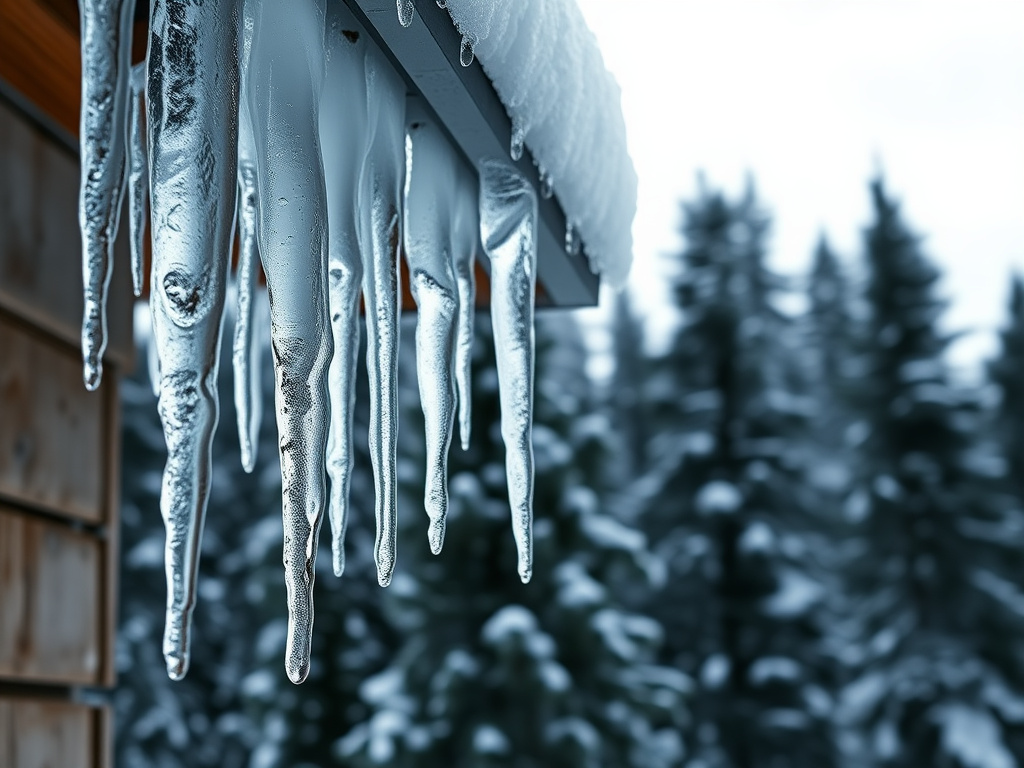
Flagstaff and Williams are the two coldest, snowiest towns in our Northern Arizona service area, and it isn't close. Flagstaff sits at roughly 6,910–7,000 feet with around 81 inches of snow in an average year; Williams sits nearly as high, at roughly 6,750–6,780 feet, with a winter character every bit as cold and snowy as Flagstaff's. Both fall in IECC Climate Zone 5B — genuinely alpine, heating-dominated winters, not the desert-heat climate most people picture when they hear "Arizona." That much snow sitting on a roof for months is more than enough to create ice dams on a house that isn't set up to handle it, and ice dams aren't just a cosmetic nuisance. Left unaddressed, they force meltwater back up under shingles and into the roof deck, attic insulation, and ceiling drywall.
The good news: ice dams are largely preventable, and the fix has almost nothing to do with the roof itself. It happens in the attic, before winter starts.
What Actually Causes an Ice Dam
An ice dam forms through a simple, repeatable cycle. Heat escapes from the living space into the attic and warms the underside of the roof deck. That warmth melts the bottom layer of snow sitting on the upper part of the roof, even while outside air stays well below freezing. The meltwater runs down the roof slope until it reaches the eaves — the unheated overhang beyond the exterior wall — where it refreezes because that section of roof isn't being warmed from below. The refrozen ice builds into a ridge along the eaves, and each new melt cycle backs more water up behind it, eventually pushing water under the shingles and into the house.
The Pre-Winter Checklist
1. Check your attic insulation depth and coverage
For Flagstaff and Williams — both Zone 5B — the general attic insulation target is R-49 to R-60. If your attic insulation looks thin, uneven, or compacted, or if you can still see the tops of the ceiling joists poking through it, that's a strong sign heat is escaping upward and warming your roof deck from below.
2. Air-seal the attic floor, not just the roof
Insulation slows heat conduction, but warm air can still leak straight through gaps around the attic hatch, can lights, plumbing stacks, top plates, and duct penetrations. That leaking warm air often contributes more to ice dam formation than insulation depth alone, because it directly heats the roof deck from beneath rather than gradually conducting through material. Air-sealing those penetrations before winter is one of the highest-value, lowest-cost steps on this checklist.
3. Confirm your attic ventilation is balanced
Insulation and ventilation have to work together, not against each other. A properly balanced attic system brings in cold outside air at the soffits and lets warm attic air escape at the ridge or through roof vents, keeping the whole roof deck close to outdoor temperature. If soffit vents are blocked by insulation pushed too far into the eaves, or there isn't enough ridge or roof venting, the attic can trap warm air even with good insulation in place — recreating the exact conditions that cause ice dams.
4. Check for blocked soffit vents specifically
This is one of the most common issues we find in older Flagstaff and Williams attics: insulation pushed all the way to the eaves blocks the soffit intake vents, cutting off the cold-air side of the ventilation system entirely. A baffle, sometimes called a rafter vent, installed at each soffit keeps insulation back from the vent opening while still allowing full coverage across the attic floor.
5. Look at attic bypasses around chimneys, flues, and skylights
Penetrations for chimneys, plumbing vent stacks, and skylight shafts are common weak points where insulation gets cut short and warm air escapes. On older log-home and cabin construction common around Flagstaff and Williams, these bypasses can be less obvious than a standard framed attic, so they deserve a specific look, not just a general glance at attic depth.
6. Don't forget rim joists and manufactured-home skirting
Ice dams get the most attention, but the same heat-loss logic that causes them also drives frozen-pipe risk lower in the house. Rim joists and, in manufactured or mobile homes common around Williams and the rural Coconino County high country, belly-wrap and skirting are worth checking in the same pre-winter pass — a torn or gapped skirting section lets wind scour cold air directly under the floor system all winter.
A Simple Pre-Winter Walkthrough
- Look for thin, uneven, or compacted insulation across the attic floor, especially near the eaves.
- Check whether soffit vents are visibly blocked by insulation from inside the attic.
- Feel for drafts around the attic hatch, can lights, and duct boots on a cool day.
- Note any rooms downstairs that feel drafty or unusually cold near exterior walls — that can point to the same air-leak paths that feed ice dams.
- If your home had ice dams or roof-edge icicles last winter, treat that as a strong signal to address insulation, air sealing, and ventilation before this winter, not after the next storm.
Timing Matters
Attic insulation, air sealing, and ventilation work is far easier to schedule and complete before the first snow than during an active Flagstaff or Williams winter. Waiting until ice dams have already formed means dealing with both the underlying attic problem and any water damage that's already happened. A pre-winter check gives you time to fix the actual cause instead of reacting to the symptom on your roofline once the snow is already falling.
If you want a real assessment of your attic's insulation, air sealing, and ventilation balance before winter sets in across Flagstaff, Williams, or the surrounding Coconino County high country, call 844-967-5247 or email josh@contractorschoiceagency.com. We'll tell you plainly what's driving heat loss in your attic and what it takes to fix it before the snow flies.
Frequently asked questions
Ice dams form when heat escaping from the living space into the attic warms the roof deck and melts snow near the ridge, while the unheated eaves stay cold. The meltwater runs down and refreezes at the eaves, building up ice that can force water back up under the shingles.
Both towns sit in IECC Climate Zone 5B, where the general attic insulation target is R-49 to R-60 — meaningfully higher than the R-30-ish range typical of low-desert Arizona construction.
Yes. Insulation and air sealing reduce how much heat reaches the roof deck, while balanced ventilation — soffit intake plus ridge or roof exhaust — keeps the whole roof deck closer to outdoor temperature. Addressing only one usually leaves the underlying heat-loss problem in place.
Yes, in winter character. Williams sits at roughly 6,750–6,780 feet, nearly as high as Flagstaff's 6,910–7,000 feet, and both fall in IECC Climate Zone 5B with genuinely cold, snowy winters — a very different climate from Sedona or Prescott.
Ready for a free quote?
Tell us about your home and we'll build a clear quote — rebates included.