Ice Dam & Pipe Freeze Prevention in Northern Arizona
The cold-climate specialty service built specifically for a snow-country Northern Arizona winter — balanced attic insulation and ventilation to stop ice dams in Flagstaff and Williams, plus pipe insulation for exposed crawlspaces anywhere in our service area.
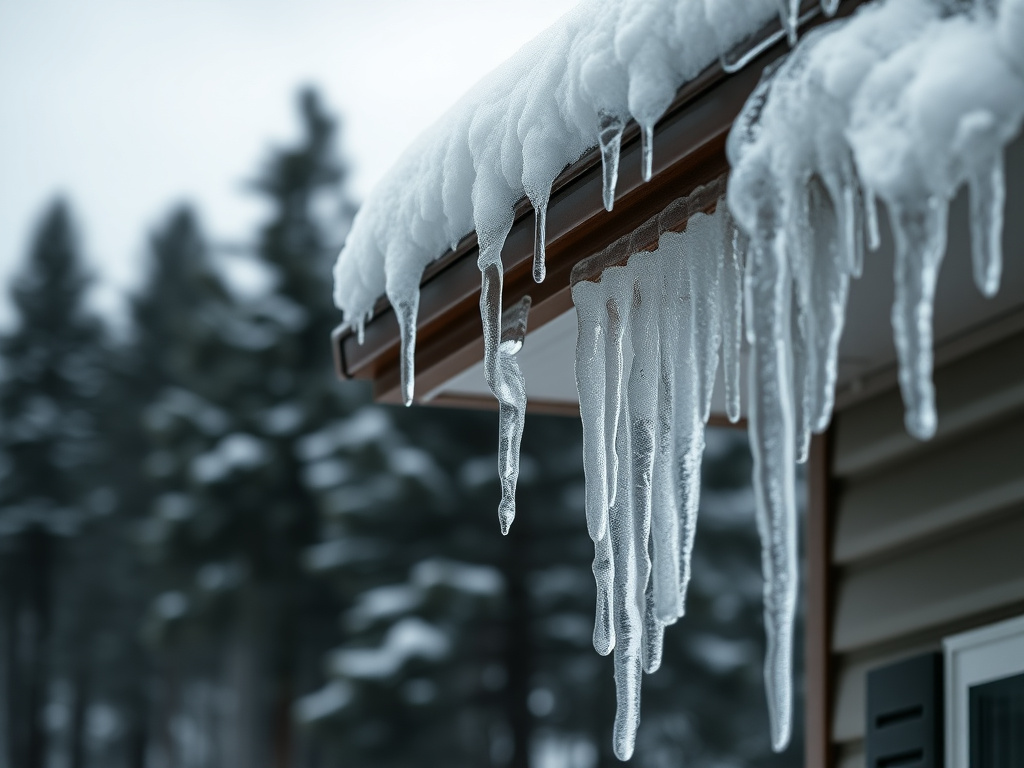
Ice dams and frozen pipes look like two different problems, but around Flagstaff and Williams they usually trace back to the same root cause: heat escaping unevenly from a house that wasn't insulated with a real, ~81-inch-a-year snow season in mind. An attic that leaks warmth melts roof snow unevenly and sends it refreezing at the eaves. A crawlspace or exterior wall that's never had its plumbing protected leaves water lines exposed to the same kind of cold that drops overnight lows into the teens across Coconino County's high country. Both are preventable with the right combination of insulation, ventilation, and targeted pipe protection — and both are far cheaper to prevent than to repair after a roof leak or a burst line.
This service is built specifically around that combination: balancing attic insulation and ventilation so your roof deck stays close to outdoor temperature instead of melting snow unevenly, and insulating the pipe runs and cavities in crawlspaces and exterior walls that are most exposed to a hard freeze. Ice dams are primarily a Flagstaff and Williams concern given the snow load involved, but frozen-pipe risk in an exposed crawlspace applies just as much in Prescott, and even shows up on colder Sedona nights. Manufactured and mobile homes carry an additional layer of freeze risk tied to skirting and belly-wrap that we cover in real depth on our dedicated manufactured home page — here, we're focused on the attic-to-eave and pipe-protection side that applies to every home type in the region.
Why homeowners choose it
- Reduces the uneven roof-snow melt that causes ice dams at the eaves in Flagstaff and Williams
- Balances attic insulation with proper ventilation instead of just adding depth
- Insulates exposed and at-risk pipes in crawlspaces and exterior walls across all four towns
- Lowers the risk of a frozen or burst pipe and the water damage that follows
- Addresses ice dams and pipe freezing together, since they share the same root cause
- Backed by an assessment that finds your home's specific weak points before winter
How ice dams actually form — and how insulation and ventilation stop them
An ice dam starts with heat escaping from your living space into the attic. That heat warms the underside of the roof deck unevenly, melting the snow sitting above the warmer sections while the colder overhang at the eaves stays frozen. The meltwater runs down, hits that cold edge, and refreezes into a ridge of ice that can back water up under your shingles and into your roof deck — a genuine risk in Flagstaff, which averages around 81 inches of snow a year, and in Williams, which sees a comparably heavy, reliable snowpack.
The fix is two-part: enough attic insulation to keep heat from leaking upward in the first place, targeting the roughly R-49 Zone 5B standard used across the rest of a Flagstaff or Williams attic, combined with balanced soffit-to-ridge ventilation so the entire roof deck stays close to outdoor air temperature rather than just the well-insulated sections. Insulation alone without adequate ventilation can still leave you exposed, which is why we assess both together rather than treating them as separate projects.
- Attic insulation targeted to roughly R-49 in Flagstaff/Williams to limit heat leaking into the roof deck
- Balanced soffit and ridge ventilation to keep the whole roof close to outdoor temperature
- Both addressed together — insulation or ventilation alone often isn't enough
Frozen pipe prevention in crawlspaces and exterior walls — every town, not just the snowiest
Water lines routed through an unheated or poorly insulated crawlspace, or through an exterior wall that's thin on insulation, are directly exposed to prolonged cold. In Flagstaff and Williams, that means months of sustained sub-freezing nights. But even Prescott's colder winter nights and Sedona's occasional hard freeze are enough to put an unprotected pipe run at real risk — a burst pipe from a freeze event is a far more expensive and disruptive problem than the insulation that would have prevented it, regardless of which of the four towns it happens in.
We insulate exposed pipe runs directly and address the crawlspace or wall cavity around them, since protecting the pipe and protecting the space it runs through work best together rather than as a single wrapped pipe sitting in an otherwise uninsulated crawlspace.
Second-home and cabin properties: a distinct freeze risk
Munds Park and parts of the Flagstaff-to-Williams corridor have a meaningful second-home and cabin population — properties that sit unheated or minimally heated for stretches between visits. That's exactly the setup where under-insulation turns into a frozen, burst pipe discovered only after the damage is done. If your property sits vacant for weeks at a time in winter, pipe insulation and crawlspace protection are worth prioritizing even if the rest of the home's insulation is otherwise in decent shape. Manufactured and mobile homes carry an additional freeze-protection layer tied to underbelly and skirting insulation — that's a significant enough topic that we handle it in full depth on our dedicated manufactured home insulation page rather than duplicating it here.
Ideal for
- Flagstaff and Williams homes that formed icicles or an ice dam at the roofline last winter
- Crawlspaces with exposed water lines in an unheated or semi-heated space, in any of the four towns
- Homes with a history of a frozen or burst pipe
- Anyone doing pre-winter prep ahead of the first hard freeze
- Second-home and cabin properties in Munds Park or the Flagstaff/Williams corridor left unoccupied during the coldest months
What affects the cost
Ice Dam & Pipe Freeze Prevention questions, answered
Ice dams form when heat leaking from your living space into the attic melts roof snow unevenly, which refreezes at the colder eaves. Sufficient attic insulation — roughly R-49 in Flagstaff and Williams — keeps that heat inside the house instead of leaking into the roof deck, which is the single biggest factor in preventing ice dams.
Yes, when it's applied to the right places. Insulating exposed pipe runs and the crawlspace or wall cavity around them significantly reduces the risk of a pipe freezing during a hard cold snap.
For ice-dam prevention specifically, yes. Insulation alone can leave sections of the roof deck warmer than others if ventilation isn't balanced, which can still produce uneven melt-and-refreeze at the eaves. We assess and address both together.
Ice dams specifically are mostly a Flagstaff and Williams concern given the snow load involved. But frozen-pipe risk in an exposed crawlspace is real anywhere overnight temperatures drop below freezing for extended periods, which includes Prescott's colder winter nights and even occasional hard freezes in Sedona.
Often, yes — underbelly and skirting condition play a major role in freeze protection for manufactured homes, common around Williams, Chino Valley, and outlying Coconino and Yavapai county areas. We cover that in depth on our dedicated manufactured home insulation page; this service focuses on attic, roof, and general pipe protection that applies to any home type.
Ice Dam & Pipe Freeze Prevention done right, by a local Northern Arizona crew
Ice Dam & Pipe Freeze Prevention isn't a commodity — the result depends entirely on how carefully it's planned and installed for your specific home and a genuine high-elevation Northern Arizona winter. We assess what your house actually needs, prep the space properly, and install to your target R-value, so the work delivers the comfort and heating savings it's supposed to. No shortcuts, no builder-grade rush.
We serve Flagstaff, Prescott, Prescott Valley, Sedona, Williams, and the surrounding Coconino and Yavapai County high country, and we'll help you check the UniSource Energy and local weatherization rebates that bring your project cost down. Every job starts with a free, no-pressure quote.
Just as important, we treat your home like the system it is. Insulation, attic ventilation, and air sealing all interact, and getting one right while ignoring the others leaves comfort and savings on the table. When we scope your ice dam & pipe freeze prevention, we look at how it fits the whole picture — so the finished result performs the way it should, holds up through a real high-elevation winter, and actually lowers the heating bill you feel every month. That whole-home mindset, plus honest advice about what your house truly needs, is what our neighbors across Northern Arizona count on us for.
Free assessment
We evaluate your home and give you a clear, itemized quote with rebates factored in.
Expert install
We prep and install your ice dam & pipe freeze prevention to spec — clean and on schedule.
Savings you can feel
A warmer home, lower heating bills, and help claiming every rebate you qualify for.
Related services
Ready for a free ice dam & pipe freeze prevention quote?
Tell us about your home and we'll put together a clear, no-pressure quote — plus walk you through the weatherization rebates you may qualify for.