Why Is My House So Cold in Flagstaff? The Complete Guide to Cold-Climate Insulation at 7,000 Feet in Northern Arizona

If you've stood in your living room in a Flagstaff January, coat still on, listening to the furnace run and run while the floor stays cold and a draft slides in around the window trim, you already know something most "Arizona home" advice gets backwards. This is not Phoenix. At roughly 6,910 feet, Flagstaff is one of the highest-elevation cities of its size in the United States, and it picks up somewhere around 81 inches of snow in an average year — with some winters pushing well past that. Williams, just down the road at about 6,750 feet, is right there with it. Prescott and Sedona, lower and milder, still see real freezing nights and real snow, just less of it. None of these towns are desert Arizona, and none of them should be insulated like desert Arizona.
This guide walks through why a Northern Arizona house loses heat the way it does, why the elevation and climate zone matter more than the state you're standing in, what R-value targets actually apply depending on which of our towns you're in, and how ice dams, frozen pipes, and manufactured-home construction all trace back to the same underlying problem. By the end, you'll understand exactly what's happening in your attic and walls — and what a fix actually looks like.
Arizona Isn't One Climate — Flagstaff Proves It
Search "insulation for my Arizona home" and almost everything that comes back was written for Phoenix or Tucson: articles about lowering your AC bill, reflecting summer heat, and keeping a swamp cooler running efficiently. That content isn't just unhelpful for a Flagstaff or Williams homeowner — it can send you toward the wrong products entirely. Under the International Energy Conservation Code (IECC), the low desert sits in a hot, cooling-dominated climate zone where the building envelope's main job is keeping summer heat out. Coconino County's high country — Flagstaff and Williams — sits in Climate Zone 5B, a genuinely cold, heating-dominated zone. That's a heating-degree-day load in the same tier as parts of the Rockies or the upper Midwest, not the low desert two hours south.
- Phoenix / Tucson (low desert): building code is written to keep intense summer heat OUT. Cooling load dominates the year-round energy bill.
- Flagstaff & Williams (Zone 5B, ~6,750–6,910 ft): building code is written to keep hard-won heat IN. Attics are targeted around R-49 to R-60, and heating load dominates the energy bill for most of the year.
- Prescott & Sedona (Zone 4B, ~4,500–5,400 ft): milder than Flagstaff, but still a real four-season climate with freezing nights, light-to-moderate snow, and a genuine heating season — closer in character to Flagstaff than to Phoenix.
Why Heat Actually Escapes a House at 7,000 Feet
"My house is cold" usually gets blamed on the furnace or heat pump. Sometimes that's fair. Far more often, the equipment is doing its job — it's just losing a fight against a building envelope that's leaking heat faster than it can replace it. There are two separate mechanisms at work, and they call for two different fixes.
Conduction: heat moving straight through building materials
Conduction is heat moving directly through a solid material — through drywall, through a wood stud, through an under-insulated attic floor — from the warm side of the house to the cold side. This is exactly what R-value is built to resist: the higher the R-value of the material in that assembly, the slower heat conducts through it. At 6,750 to 6,910 feet, with genuinely cold outdoor air for months at a time, an under-insulated attic isn't just losing heat during a cold snap — it's bleeding heat around the clock, all winter long.
Infiltration: heat riding air straight out of the house
Infiltration is different. It isn't heat moving through a material — it's warm household air physically escaping through gaps, cracks, and unsealed penetrations, while cold outside air gets pulled in to replace it. Top-plate gaps, recessed-can-light housings, rim joists, plumbing and electrical penetrations, and a loose attic hatch are the usual suspects. In a lot of older Flagstaff, Williams, and Prescott homes, infiltration is the bigger and more expensive problem, because insulation alone does nothing to stop it — a wall can have decent R-value and still lose heat fast if it isn't air-sealed. This is the mechanism behind the classic complaint: cold drafts at floor level, cold spots near outlets, and a furnace that never quite catches up even though "the insulation looks fine" from the attic hatch.
R-Value Targets: Flagstaff & Williams vs. Prescott & Sedona
Northern Arizona isn't one climate zone, and it isn't one R-value target either. Elevation drives real performance differences across our own service area, which is exactly why we don't quote a single blanket number for every town we serve.
Zone 5B — Flagstaff and Williams (~6,750–6,910 ft)
- Attic / ceiling: roughly R-49, with R-60 appropriate for some assemblies — a meaningful step up from the R-30-ish range typical of low-desert Arizona construction.
- Walls: roughly R-20 (or an equivalent R-13 cavity plus continuous exterior insulation).
- Floors over unconditioned space or crawlspace: roughly R-30.
Zone 4B — Prescott and Sedona (~4,500–5,400 ft)
- Attic / ceiling: roughly R-38 to R-49 — Prescott's own building division cites R-38 attic minimums locally, with R-49 appropriate for a stronger retrofit target.
- Walls: roughly R-13 to R-20 cavity, with continuous insulation increasingly common in current code cycles.
- Floors: roughly R-25 to R-30.
The exact energy-code edition adopted varies by jurisdiction, so treat these as sound planning targets rather than a single universal law across all four towns. What doesn't vary: if you've been up in your Flagstaff or Williams attic and can still see the tops of the ceiling joists poking through the insulation, you're well under target — and you're paying for that gap every month propane or electricity is heating your home.
Ice Dams: How They Form at Flagstaff's Snow Loads
The mechanism
Ice dams are one of the clearest visible signs of an under-insulated, poorly air-sealed attic, and with roughly 81 inches of snow landing on Flagstaff roofs in an average year — and Williams seeing a comparable snow load — they're a routine winter call across our service area. Here's how they form: heat escaping from your living space into an under-insulated attic warms the underside of the roof deck unevenly. That warmth melts the bottom layer of snow sitting on the upper part of the roof, even while outside air stays well below freezing. The meltwater runs down the roof slope until it reaches the colder eaves and overhangs — areas that stay cold because they aren't directly over heated living space — and refreezes there into a ridge of ice. That ridge backs up more meltwater behind it, which can work its way under shingles and into the roof deck, attic insulation, and eventually ceiling drywall.
Prevention
- Bring attic insulation up to the Zone 5B target (roughly R-49) so significantly less heat reaches the underside of the roof deck.
- Air-seal the attic floor — top plates, can lights, duct penetrations, the attic hatch — since warm air leaking directly into the attic causes ice dams as reliably as poor insulation does.
- Balance attic ventilation (soffit intake and ridge or roof exhaust) so the entire underside of the roof deck stays close to outside temperature rather than warming unevenly.
- Treat the attic as the source of the problem rather than relying only on roof-edge heat cables or ice-and-water shield, which manage symptoms without addressing the heat loss driving them.
Frozen Pipes: The Other Cold-Climate Risk
Frozen and burst pipes trace back to the same root cause as a cold living room: heat escaping where it shouldn't, and cold air getting in where it shouldn't. Pipes running through an uninsulated crawlspace, an exterior wall with gaps in the cavity insulation, or a manufactured home's unsealed belly are all exposed to outside-range temperatures even though they're technically "inside" the structure. When water inside a pipe freezes, it expands — and that expansion is what cracks fittings and splits pipe walls, often not discovered until the thaw, when a split pipe starts leaking or spraying. This risk is especially real for second homes and cabins around Munds Park and the Flagstaff/Williams corridor that sit unheated for stretches between visits — an under-insulated, unattended house is exactly the kind of property where a frozen pipe turns into a much bigger repair.
- Insulate crawlspaces and rim joists so the space around plumbing runs stays well above outside air temperature.
- Air-seal foundation vents, sill plates, and any gap where outside air is tracking directly along a pipe run.
- Insulate exterior walls that carry plumbing to a code-appropriate R-value — a thin or gapped wall cavity offers very little real protection.
- For manufactured and mobile homes, confirm belly-wrap and skirting are intact and properly insulated — this is one of the most common sources of frozen-pipe calls in that housing type locally.
Manufactured and Mobile Homes in Northern Arizona's High Country
Manufactured and mobile homes are common throughout rural Coconino and Yavapai county areas — around Williams, Chino Valley, and the unincorporated county pockets outside Flagstaff and Prescott — and they face a distinct set of cold-climate problems that site-built homes generally don't. The underbelly — the wrapped, insulated cavity beneath the floor that houses ductwork and plumbing — is exposed to outside air on all sides rather than sitting over a conditioned basement or a well-insulated crawlspace. When belly-wrap tears, sags, or was never properly insulated to begin with, the entire floor system loses heat directly to the cold air underneath the home, which shows up as cold floors, high propane usage, and a meaningfully higher risk of frozen pipes and ductwork.
Skirting plays a bigger structural role than most owners realize — it isn't just cosmetic. Intact, properly insulated skirting blocks wind from scouring cold air directly across the belly-wrap, which is exactly the kind of wind-driven infiltration loss that drives up heating costs on an exposed, elevated home. Between belly-wrap condition, skirting integrity, and manufactured housing's historically thinner wall and ceiling cavities compared to modern Zone 5B/4B targets, these homes often have the most room for improvement — and often see the most noticeable comfort and bill difference after an upgrade.
Flagstaff Landlords and NAU-Area Rentals: A Different Kind of Cold-House Problem
Flagstaff's rental market — driven in large part by Northern Arizona University's student population — adds a wrinkle most cold-climate insulation content doesn't cover. A lot of that housing stock is older, was converted to rental use without a matching insulation upgrade, and turns over tenants every year or two, which means nobody living there has the standing (or the incentive) to fix a cold bedroom or a drafty rim joist themselves. For landlords and property managers, that shows up as higher tenant complaint volume during the coldest months, higher vacancy risk if a unit gets a reputation for being cold, and — if utilities are landlord-paid or bundled into rent — a heating bill that's quietly eating into margin every winter regardless of who's living there.
Air sealing and attic insulation upgrades in a rental property are typically a one-time, low-disruption project — most of the work happens in the attic and crawlspace, not inside occupied living space — and they pay back differently for a landlord than for an owner-occupant: fewer maintenance calls about cold rooms, more consistent utility costs if you're covering them, and a property that shows better to a prospective NAU-area tenant walking through in January.
What Insulation Upgrades Cost
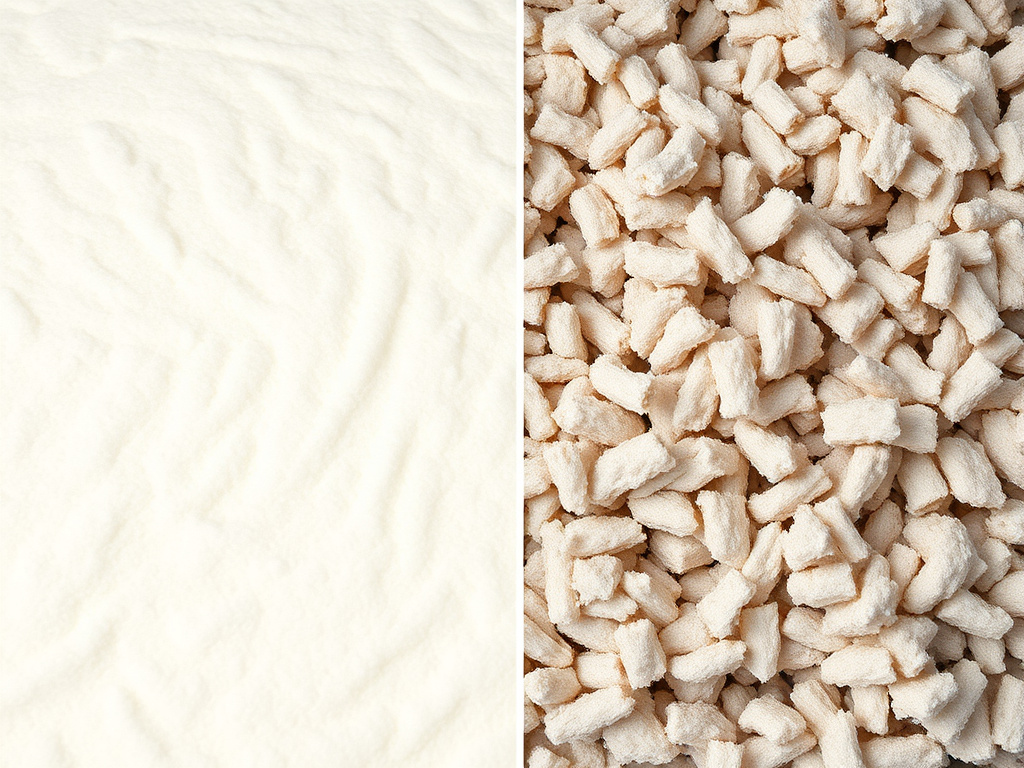
Costs vary by home size, existing insulation condition, attic accessibility, and which combination of air sealing and insulation a given house actually needs — so treat any number you see online, including here, as a general range rather than a quote. A home that's currently sitting at R-13 in the attic has far more room (and material cost) to close the gap than one already at R-30. Spray foam generally carries a higher per-square-foot material cost than blown-in cellulose or batt insulation, but it also air-seals as it's applied, which can reduce or eliminate the need for a separate air-sealing pass. The most reliable way to get an accurate number for your specific home is a real assessment — we'll walk the attic, check existing R-value, look at obvious infiltration points, and give you options rather than a one-size-fits-all quote over the phone.
Rebates and Incentives in 2026: What's Real, What's Not
The rebate landscape shifted meaningfully heading into 2026, and it's worth being straight about what's actually available right now rather than repeating outdated claims you might see elsewhere.
- UniSource Energy Services (UES), which provides natural gas across Coconino and Yavapai counties including Flagstaff, Prescott, and Sedona, offers an air-sealing-and-insulation rebate through its Efficient Home Program: 50% of installed cost, up to $800, for qualifying homes completed through a UES-participating contractor.
- The City of Flagstaff Home Weatherization and Energy Rebate Program is reopening for its FY26–27 cycle (July 2026 through June 2027) with up to $2,000 available for a primary-source heat pump project and up to $1,500 for non-primary projects, on a sliding income scale. This is a city-run, cycle-based program — funding has been reported as fully allocated before a prior cycle's end, so ask about current-cycle status rather than assuming availability.
- APS eliminated its residential energy-efficiency rebate program in 2026. We won't advertise an APS insulation rebate, and you shouldn't budget around one.
- The federal 25C and 25D Energy Efficient Home Improvement tax credits expired December 31, 2025. They are not available for a 2026 insulation project — don't count on a federal credit this year.
Getting Your House Actually Warm This Winter
If your furnace or heat pump runs constantly and the house still feels cold, if you've noticed ice building up along your eaves, if a pipe has already frozen once, or if you own a manufactured home with cold floors and a propane bill that doesn't match its size, the pattern is almost always the one described in this guide: heat conducting out through under-insulated surfaces, and warm air leaking out through unsealed gaps, at an elevation and climate zone that gives that heat loss nowhere to hide. The fix is specific to your home, not generic, and it starts with actually seeing what's happening in your attic, walls, and crawlspace rather than guessing from a national average.
We serve Flagstaff, Williams, Prescott, Prescott Valley, Sedona, and the surrounding Coconino and Yavapai county high country with cold-climate insulation work built for this elevation, not for the desert: spray foam, attic insulation, blown-in, batt, air sealing, ice dam and frozen-pipe prevention, manufactured-home belly-wrap and skirting, and new construction. Call 844-967-5247 or email josh@contractorschoiceagency.com for a straightforward, no-pressure assessment of what your home actually needs before the next cold snap hits.
Frequently asked questions
Flagstaff sits at roughly 6,910 feet in IECC Climate Zone 5B, with around 81 inches of snow in an average year and a genuine four-season winter. That's a fundamentally different building-science reality than low-desert cities like Phoenix, which sit in a hot, cooling-dominated climate zone. In Flagstaff, the building envelope's main job is retaining heat, not rejecting it.
The general Zone 5B target for Flagstaff and Williams is roughly R-49, with R-60 appropriate for some assemblies. That's a meaningful step up from the R-30-ish range typical of low-desert Arizona construction, reflecting genuine, sustained winter heating load at this elevation.
Less, but not nothing. Prescott and Sedona sit in Zone 4B, milder than Flagstaff and Williams' Zone 5B, with a general attic target of roughly R-38 to R-49 rather than R-49 to R-60. Both towns still see freezing nights and real winter heating load — this is not desert-heat framing, just a milder version of the same cold-climate problem.
UniSource Energy Services offers an air-sealing-and-insulation rebate of 50% of installed cost up to $800 through a participating contractor. The City of Flagstaff's Home Weatherization and Energy Rebate Program is reopening for its FY26–27 cycle (July 2026–June 2027) with up to $2,000 for a primary-source heat pump project or $1,500 for non-primary, on a sliding income scale, though funding is cycle-based and can run out. APS eliminated its residential rebate program in 2026, and the federal 25C/25D tax credits expired December 31, 2025 — neither should be counted on for a 2026 project.
Yes, in most cases. Frozen pipes almost always trace back to plumbing running through an uninsulated crawlspace, a wall cavity with gaps, or an unsealed manufactured-home belly — all spaces where insulation and air sealing directly raise the surrounding temperature above the freeze line. Insulating those specific spaces, not just the attic, is the fix.
Often, yes. Manufactured and mobile homes rely on belly-wrap and skirting to protect the underfloor space, ductwork, and plumbing from outside air on all sides. When belly-wrap tears or skirting is missing or damaged, the home loses heat directly through the floor — showing up as cold floors, high propane bills, and elevated frozen-pipe risk. Checking belly-wrap and skirting condition is usually the first step before assuming a furnace problem.
Ready for a free quote?
Tell us about your home and we'll build a clear quote — rebates included.