Spray Foam vs. Blown-In Insulation: Which Is Right for Your Flagstaff or Prescott Home?
If you're comparing insulation options for a home in Flagstaff or Prescott, you've probably run into the same question homeowners ask us every week: spray foam or blown-in? Both materials show up constantly in insulation marketing, and both genuinely work — but they solve different problems, and the right answer also depends on which of these two towns you're in, because Flagstaff and Prescott aren't actually the same climate.
Flagstaff sits at roughly 6,910–7,000 feet in IECC Climate Zone 5B, with real alpine winters and around 81 inches of snow most years. Prescott sits lower, around 5,400 feet, in the milder transitional Zone 4B — real winters, cold nights in the 20s and 30s, but a noticeably less severe heating load than Flagstaff or Williams. That difference matters for how much insulation you need, even though the choice between spray foam and blown-in works largely the same way in both towns.
Two Climate Zones, One Service Area
Because Flagstaff and Williams sit in Zone 5B, the general attic target there is R-49 to R-60, with walls around R-20 (or an equivalent R-13 cavity plus continuous exterior insulation). Prescott and Sedona, in the milder Zone 4B, generally target R-38 to R-49 in the attic, with walls in the R-13 to R-20 range. Both targets are well above what a low-desert Phoenix or Tucson home needs — this whole service area is a heat-retention climate, not a cooling-load climate — but Flagstaff and Williams genuinely need more insulation, and often more depth, to hit their target than a Prescott home does.
How the Two Materials Actually Work
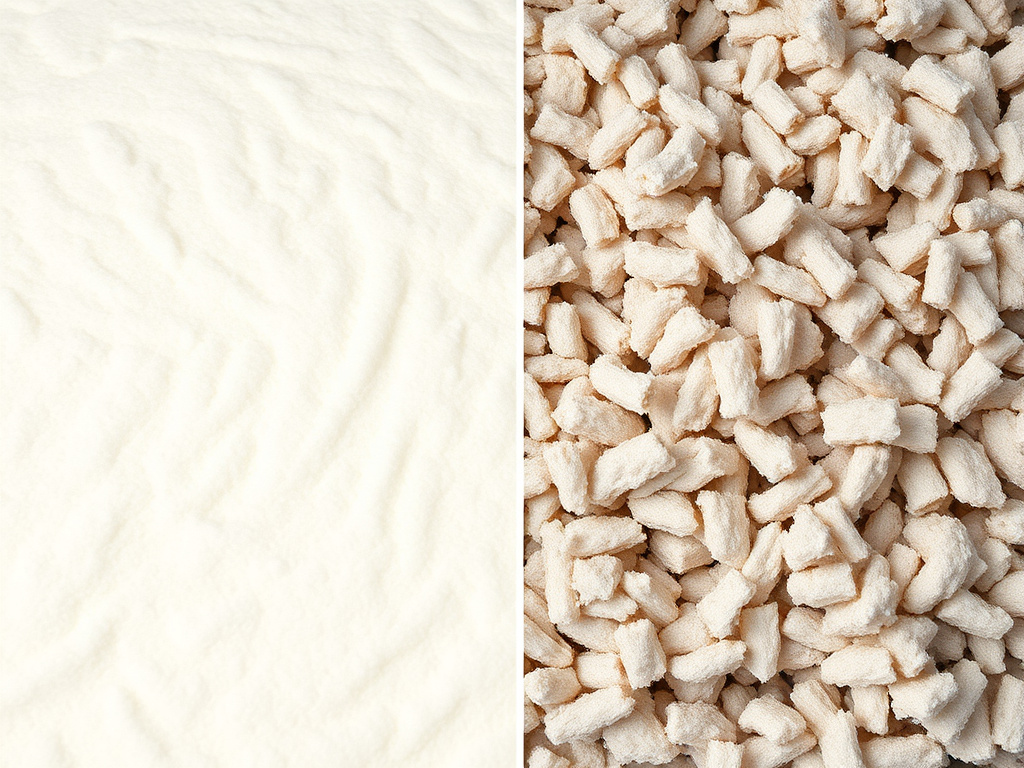
Blown-in insulation — usually cellulose or fiberglass — is loose material blown through a hose into an attic floor or an enclosed wall cavity. It settles around wiring, plumbing, and framing without much demolition, which makes it a practical way to bring an older attic up to target R-value quickly. Spray foam is a liquid applied on site that expands and cures into a solid, air-sealing layer bonded to whatever surface it's sprayed on.
R-value per inch: the real technical difference
Closed-cell spray foam delivers meaningfully more R-value per inch than blown-in cellulose or fiberglass, which lets it reach a target R-value in less physical depth. That matters most in tight rafter bays, rim joists, and shallow wall cavities where there isn't much room to work with. In a standard attic floor, depth usually isn't the limiting factor, so blown-in can reach the same R-49–R-60 (Flagstaff/Williams) or R-38–R-49 (Prescott/Sedona) target without needing spray foam's higher density.
Air sealing: the piece blown-in doesn't solve on its own
Insulation slows heat conduction, but it does very little to stop air leakage — and at 5,400 to 7,000 feet, with cold, dry winter air and real wind exposure, uncontrolled air leakage is a major source of heat loss and cold drafts in both towns. Spray foam air-seals as it expands, closing gaps around penetrations, top plates, and rim joists in the same step it insulates. Blown-in insulation doesn't create an air seal by itself; a home relying on blown-in alone should have air leaks addressed separately, typically with caulk, foam sealant, or dedicated air-sealing work at the attic floor.
Cost Considerations
Spray foam generally costs more per square foot installed than blown-in insulation, largely because of material cost and the labor involved in applying and curing it correctly. Blown-in is typically the more budget-friendly option for large, open areas like a standard attic floor, which is why it's such a common choice for topping off older, under-insulated homes in both Flagstaff and Prescott without a full renovation. In most retrofits across this service area, the right answer isn't picking one material exclusively — it's using each one where it performs best.
Where Each Option Makes the Most Sense
- Attic floors in existing homes (either town): blown-in cellulose or fiberglass is usually the practical choice, covering irregular spaces quickly and reaching target R-value without major demolition.
- Rim joists and band joists: spray foam air-seals and insulates a notoriously leaky, hard-to-reach area in one step — a common source of cold floors near exterior walls in both Flagstaff and Prescott housing stock.
- Older Flagstaff-area log homes: spray foam at rim joists, chases, and roof lines addresses the variable, hard-to-quantify performance typical of log construction, where gaps between logs and at penetrations are the main air-leak path.
- Prescott's historic Victorian-era homes: attic and crawlspace insulation work is interior/attic-only and generally doesn't trigger exterior historic-district review the way a visible renovation would — though permit requirements can still apply depending on scope, so we confirm that locally before starting a historic-district job.
- Vaulted or cathedral ceilings with limited cavity depth: spray foam's higher R-value per inch matters most where there isn't much room to work with.
- Crawlspaces and manufactured-home underbellies in the rural county areas around both towns: spray foam's air-sealing performance helps protect exposed plumbing from freeze risk.
What This Means for Your Heating Bill
Whether you're heating with propane, electric resistance, or an electric heat pump — common across both the Flagstaff and Prescott service areas, especially in rural and off-grid properties without a natural gas hookup — an under-insulated attic or leaky rim joist costs you every month the furnace runs. Flagstaff's longer, more severe Zone 5B heating season means the dollar impact of a gap in coverage tends to be larger there than in Prescott's milder Zone 4B winter, but the underlying math is the same in both towns: insulation and air sealing that match your actual climate zone keep paying you back every heating season.
If you're weighing spray foam against blown-in for a home in Flagstaff, Prescott, Sedona, or Williams, call 844-967-5247 or email josh@contractorschoiceagency.com and we'll walk your attic, walls, and crawlspace and tell you plainly which combination fits your budget, your house, and your climate zone.
Frequently asked questions
No. Flagstaff and Williams sit in IECC Climate Zone 5B and generally target R-49 to R-60 in the attic. Prescott and Sedona sit in the milder Zone 4B and generally target R-38 to R-49. Both are well above a low-desert Phoenix target, but Flagstaff and Williams need more.
Neither is universally better — they solve different problems. Blown-in is typically the most cost-effective way to bring an attic floor up to target R-value in either climate zone. Spray foam earns its place in rim joists, crawlspaces, vaulted spaces, and log-home construction, where air sealing and tight cavity depth matter more than raw coverage area.
Yes. Spray foam expands and bonds to the surface it's applied to, closing gaps and penetrations as it cures. Blown-in fills space but doesn't create an air seal on its own, so a home relying only on blown-in should have air leaks addressed separately for the best performance.
Yes, and it's often the most effective approach — blown-in across the bulk of an attic floor, with spray foam targeted at rim joists, the attic hatch, and other high-leakage points, combining fast coverage with focused air sealing where it matters most.
Ready for a free quote?
Tell us about your home and we'll build a clear quote — rebates included.