Manufactured & Mobile Home Insulation in Northern Arizona
Belly-wrap repair, skirting, and underfloor insulation built for the manufactured and mobile homes common across Chino Valley, Williams, and the rural stretches of Coconino and Yavapai County — where an open crawl and a torn belly-wrap turn every cold snap into a frozen-pipe risk.
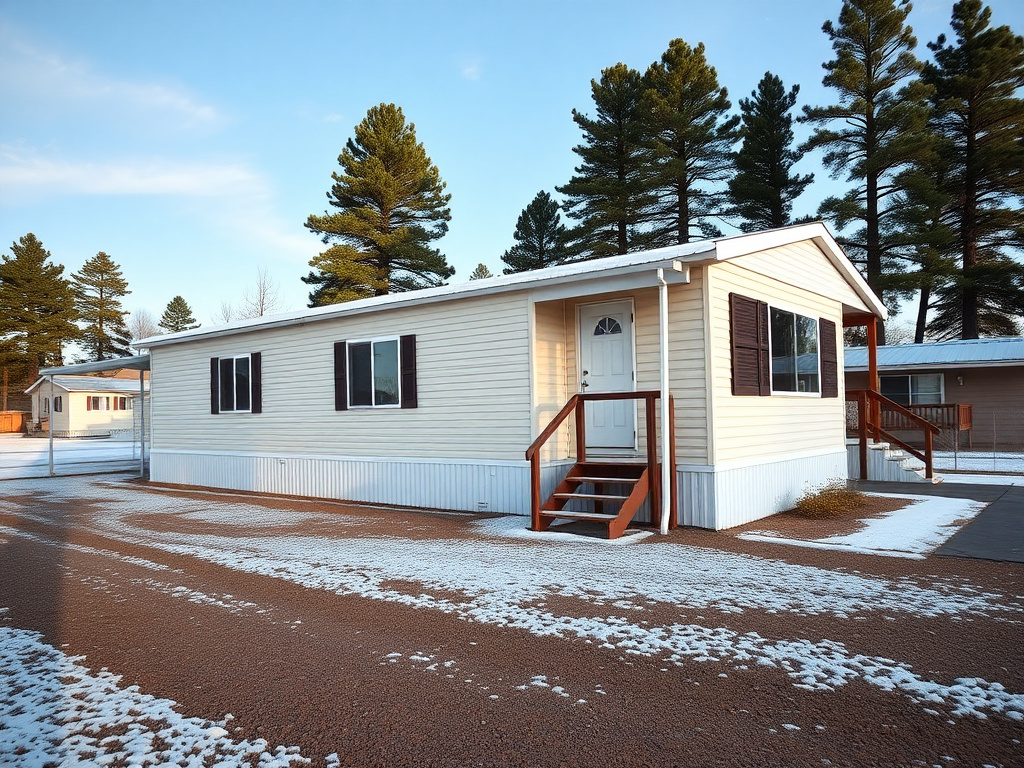
Manufactured and mobile homes make up a real share of the housing stock in the rural county areas of this region — Chino Valley north of Prescott, in and around Williams, and scattered through unincorporated Coconino and Yavapai County acreage. These homes lose heat differently than a site-built house. The belly — the fabric or board wrap stretched under the floor joists — is often the only thing standing between the living room floor and outside air, and after years of sun, rodents, and settling, that wrap sags, tears, or pulls loose from the frame. Once it fails, underfloor insulation drops onto the ground or blows out entirely, and the floor stays cold no matter how hard the furnace or heat pump runs. Add a section of missing or gapped skirting around the perimeter, and wind has a direct path underneath the home.
In Williams and the higher-elevation parts of rural Coconino County — genuine Zone 5B winters — a failed belly-wrap is a real frozen-pipe risk, since water lines commonly run through that same underfloor cavity. In Chino Valley and other Zone 4B areas around Prescott, the winters are milder but a torn belly and open skirting still mean cold floors, wasted heating dollars, and a real freeze risk on the coldest nights of the year. We repair and re-insulate belly-wrap, install or upgrade skirting, and re-insulate underfloor cavities so manufactured homes hold heat the way they were designed to, whether that's a Williams single-wide seeing real snow load or a Chino Valley double-wide on a rural acreage lot.
Why homeowners choose it
- Stops the single most common source of frozen pipes in manufactured homes — an open or torn belly cavity
- Eliminates cold, drafty floors that no amount of furnace or heat-pump runtime can fix on their own
- Closes wind-infiltration gaps at skirting that constantly rob heat from the underfloor space
- Re-establishes the moisture barrier that keeps ground dampness away from floor joists and water lines
- Reduces propane and electric heating costs by cutting heat loss through the largest under-insulated surface on the home
- Extends the life of underfloor plumbing, ductwork, and flooring by keeping the belly cavity dry and enclosed
Why belly-wrap failure is a pipe-freeze problem, not just a comfort problem
On a site-built home, water lines usually run through conditioned space or a properly insulated crawlspace. On a manufactured home, they often run through the belly cavity — the same space that's supposed to stay sealed and insulated by the wrap underneath the floor. When that wrap tears loose or a rodent chews through it, insulation falls away or gets waterlogged, and the cavity around the water lines starts tracking outside temperature almost directly. In a hard freeze, especially the kind Williams and higher-elevation rural Coconino County see through the winter, that's exactly the setup that leads to a burst line under the home — often discovered only after water has already damaged the subfloor or flooring above.
Re-wrapping and re-insulating the belly restores that sealed, insulated buffer around the plumbing. We inspect the full underside for tears, sag, and gaps, remove and replace any wet or compressed insulation, and re-secure the wrap so it stays tight to the frame instead of sagging into open ground contact — which is often where the damage started in the first place.
- Inspection of the full belly cavity for tears, sag, gaps, and rodent damage
- Removal of wet, compressed, or missing underfloor insulation
- Re-wrap and re-secure to the frame, restoring the moisture barrier
- Attention to plumbing runs and any past freeze-damage areas
Skirting: the difference between a windbreak and a wind tunnel
Skirting isn't just cosmetic — a tight skirt slows wind from moving directly under the home, which is a big part of what keeps the belly cavity's temperature from tracking straight down to outdoor lows on a windy Northern Arizona night, whether that's an exposed Williams lot or an open rural parcel outside Chino Valley. When panels are missing, cracked, or gapped at the ground, wind gets underneath the home and turns the underfloor space into a wind tunnel instead of a buffer zone, undercutting even a good belly-wrap job. We assess your existing skirting, seal or replace damaged sections, and make sure ground-level gaps are closed so the underfloor space actually functions the way it's meant to in winter.
A retrofit built for how manufactured homes are actually put together
Manufactured-home floor systems, access points, and materials differ from site-built construction, and a crew that doesn't work on them regularly can miss what's actually causing the heat loss or misjudge how to close the belly back up without trapping moisture against the joists. We work underneath the home methodically — assessing insulation condition, closing tears and gaps in the correct order, and leaving the underside sealed and dry before calling the job done, whether that's a single problem area or a full belly-wrap and skirting retrofit.
Ideal for
- Manufactured or mobile homes in Chino Valley, Williams, or rural Coconino/Yavapai County with sagging, torn, or missing belly-wrap
- Homes with gapped, damaged, or missing skirting panels
- Owners who've had frozen or burst pipes under the home in a previous winter
- Floors that stay noticeably colder than the rest of the house
- Older single-wide or double-wide homes that have never had the underfloor insulation inspected
What affects the cost
Manufactured & Mobile Home questions, answered
The most common signs are cold or drafty floors that don't improve with more heat, visible sagging fabric underneath the home, a musty or damp smell near floor level, or a pipe that's frozen or burst in a past winter. If you can see daylight or torn material under the home, the belly has likely failed.
Not exactly. Williams and rural high-elevation Coconino County sit in the colder Zone 5B, so we treat freeze protection there more aggressively. Chino Valley and most of the Prescott area are Zone 4B — milder, but a torn belly-wrap or open skirting still causes real heat loss and a real freeze risk on the coldest nights.
In most cases, yes. Water lines that run through the belly cavity depend on that space staying enclosed and insulated to stay above freezing during a cold snap. Restoring the wrap and closing skirting gaps re-establishes the buffer that keeps the cavity — and the pipes inside it — from tracking straight down to outdoor temperatures.
Yes. Belly-wrap, underfloor insulation, and skirting work applies to single-wide, double-wide, and larger manufactured homes across Chino Valley, Williams, and the surrounding rural county areas.
Manufactured & Mobile Home done right, by a local Northern Arizona crew
Manufactured & Mobile Home isn't a commodity — the result depends entirely on how carefully it's planned and installed for your specific home and a genuine high-elevation Northern Arizona winter. We assess what your house actually needs, prep the space properly, and install to your target R-value, so the work delivers the comfort and heating savings it's supposed to. No shortcuts, no builder-grade rush.
We serve Flagstaff, Prescott, Prescott Valley, Sedona, Williams, and the surrounding Coconino and Yavapai County high country, and we'll help you check the UniSource Energy and local weatherization rebates that bring your project cost down. Every job starts with a free, no-pressure quote.
Just as important, we treat your home like the system it is. Insulation, attic ventilation, and air sealing all interact, and getting one right while ignoring the others leaves comfort and savings on the table. When we scope your manufactured & mobile home, we look at how it fits the whole picture — so the finished result performs the way it should, holds up through a real high-elevation winter, and actually lowers the heating bill you feel every month. That whole-home mindset, plus honest advice about what your house truly needs, is what our neighbors across Northern Arizona count on us for.
Free assessment
We evaluate your home and give you a clear, itemized quote with rebates factored in.
Expert install
We prep and install your manufactured & mobile home to spec — clean and on schedule.
Savings you can feel
A warmer home, lower heating bills, and help claiming every rebate you qualify for.
Related services
Ready for a free manufactured & mobile home quote?
Tell us about your home and we'll put together a clear, no-pressure quote — plus walk you through the weatherization rebates you may qualify for.